
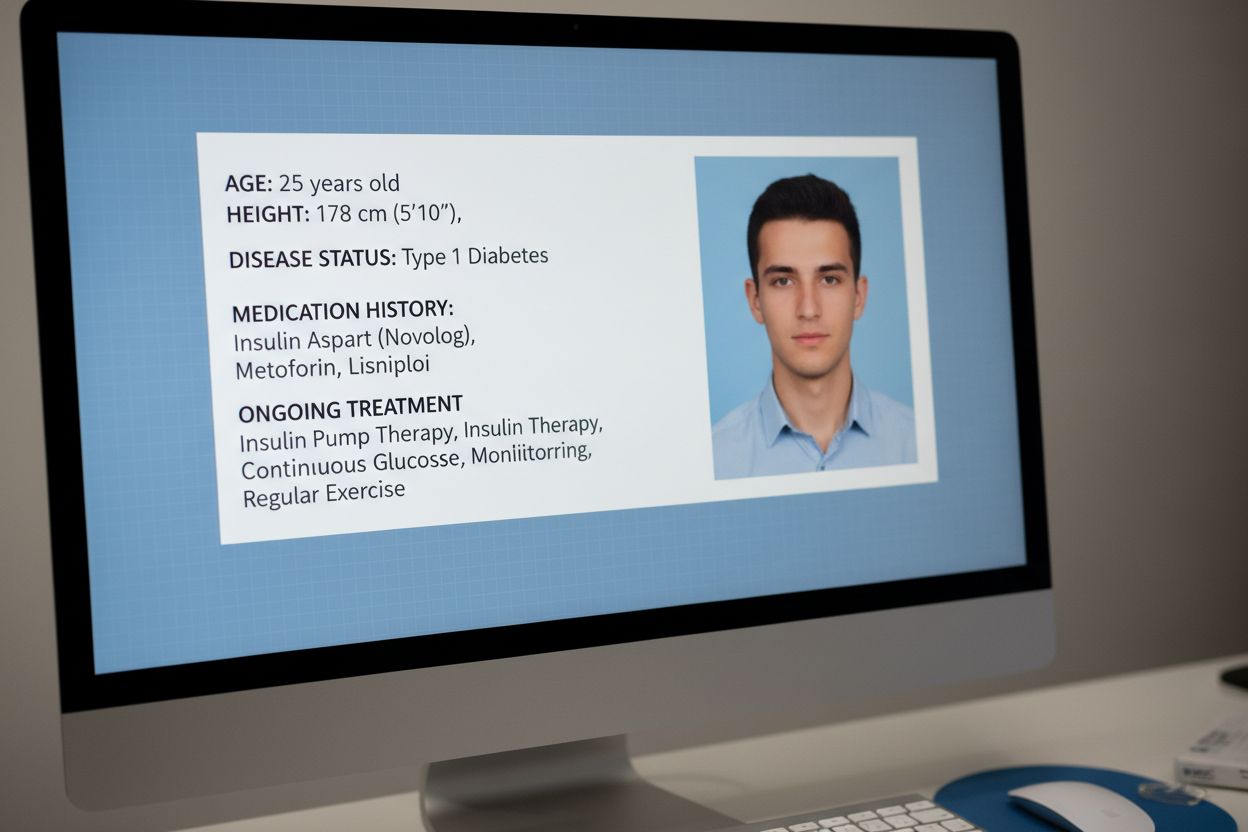
In today’s rapidly advancing digital age, the management of medical health records has become more critical than ever. Proper handling of these records not only ensures better patient care but also protects sensitive information from breaches. Here’s how medical health records should be handled effectively in this era:
- Embrace Digitalization with Security
Transitioning from paper-based records to electronic health records (EHR) enhances accessibility and efficiency. However, digitalization must be accompanied by robust cybersecurity measures such as encryption, secure access controls, and regular security audits to protect patient data from unauthorized access and cyber threats. - Ensure Interoperability
Health records should be maintained in formats that allow seamless sharing and integration across different healthcare providers and systems. Interoperability facilitates coordinated care, reduces duplication of tests, and improves overall healthcare outcomes. - Prioritize Patient Privacy and Consent
Patients must have control over who accesses their health information. Implementing strict privacy policies and obtaining informed consent before sharing records respects patient autonomy and complies with legal regulations like HIPAA or GDPR. - Regularly Update and Maintain Records
Accurate and up-to-date records are vital for effective diagnosis and treatment. Healthcare providers should establish protocols for timely updates and regular audits to ensure data integrity and completeness. - Train Healthcare Staff
Proper training on data handling, privacy policies, and the use of EHR systems is essential for all healthcare personnel. Well-informed staff can prevent errors and uphold the standards required for effective record management. - Backup and Disaster Recovery
Implementing reliable backup solutions and disaster recovery plans guarantees that medical records remain accessible even in the event of system failures, natural disasters, or cyber incidents.
Conclusion
Efficient handling of medical health records is fundamental to improving patient care, ensuring privacy, and supporting healthcare innovation. By adopting secure digital solutions, fostering interoperability, and maintaining strict privacy standards, the healthcare industry can navigate the complexities of modern record management and deliver better health outcomes for all.
Leave a Reply