In recent years, the healthcare industry has witnessed a significant transformation with the advent of remote patient monitoring (RPM) via wearable devices. This innovative approach leverages advanced technology to continuously track patients’ health metrics outside traditional clinical settings, offering numerous benefits for patients, healthcare providers, and the overall healthcare system.
What is Remote Patient Monitoring?
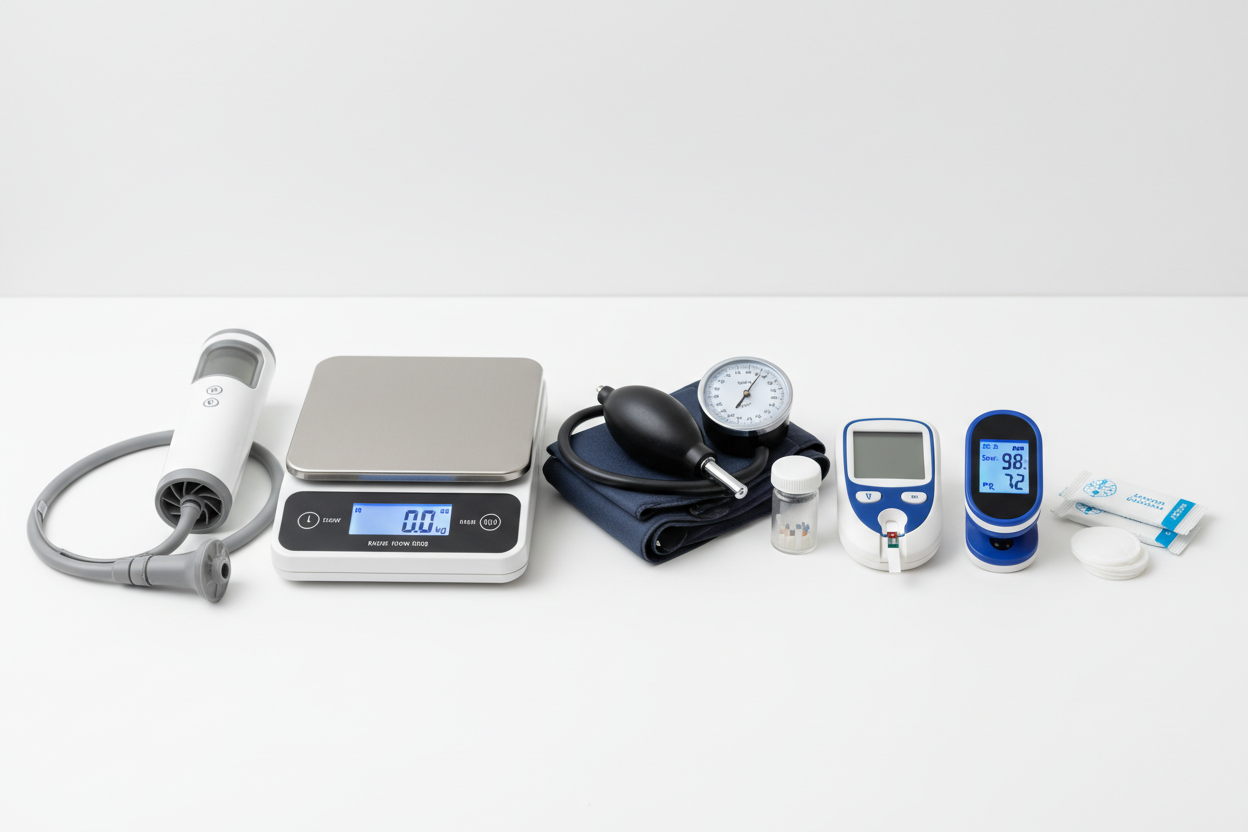
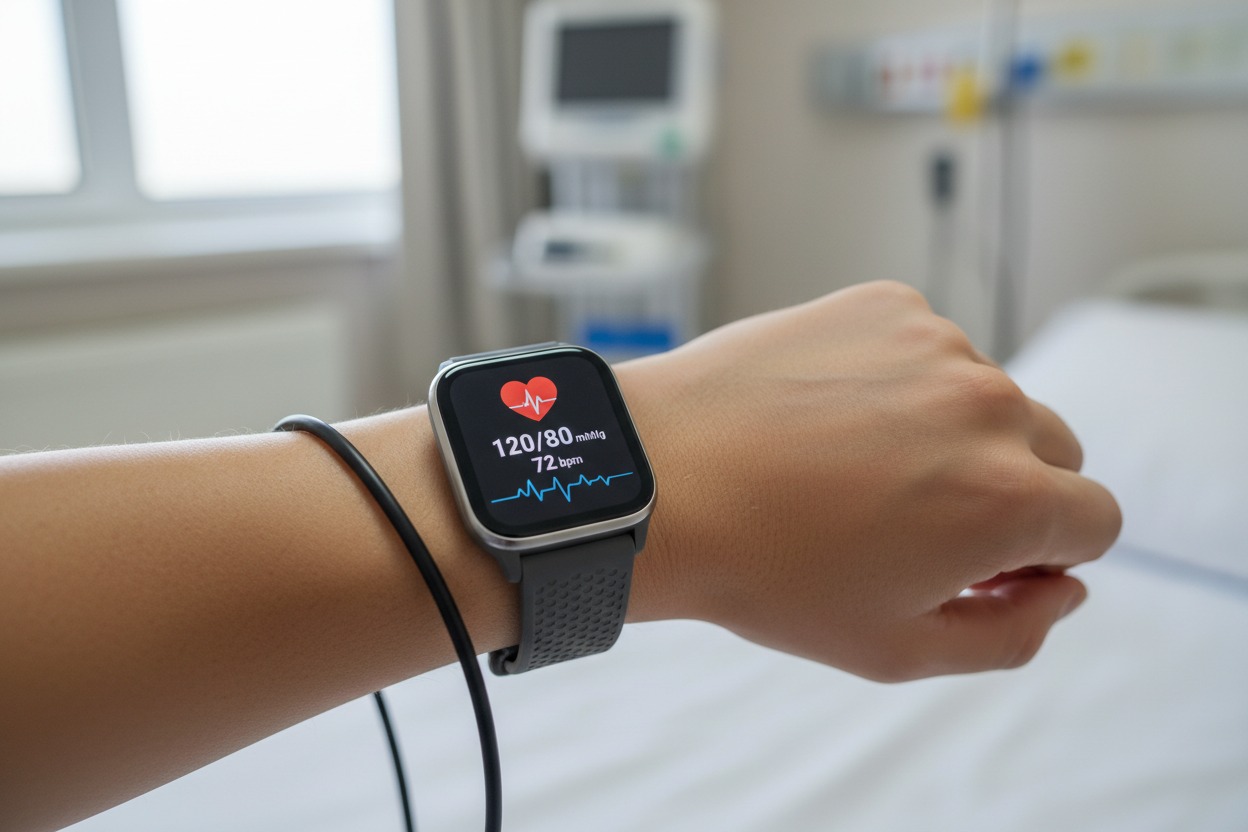
Remote patient monitoring refers to the use of digital technologies to collect medical and health data from individuals in one location and electronically transmit it to healthcare providers in a different location for assessment and recommendations. Wearable devices—such as smartwatches, fitness trackers, ECG monitors, and glucose sensors—play a crucial role in this process, enabling real-time monitoring of vital signs like heart rate, blood pressure, oxygen saturation, glucose levels, and physical activity.
Benefits of Wearable Devices in RPM
1. Continuous and Real-Time Data Collection
Unlike traditional check-ups, wearable devices provide continuous monitoring, allowing for the detection of abnormalities or health risks as they occur. This real-time data helps in timely interventions and reduces the risk of complications.
2. Enhanced Patient Engagement and Empowerment
Wearables encourage patients to take an active role in managing their health by providing immediate feedback on their lifestyle and health metrics. This increased awareness promotes healthier habits and adherence to treatment plans.
3. Improved Chronic Disease Management
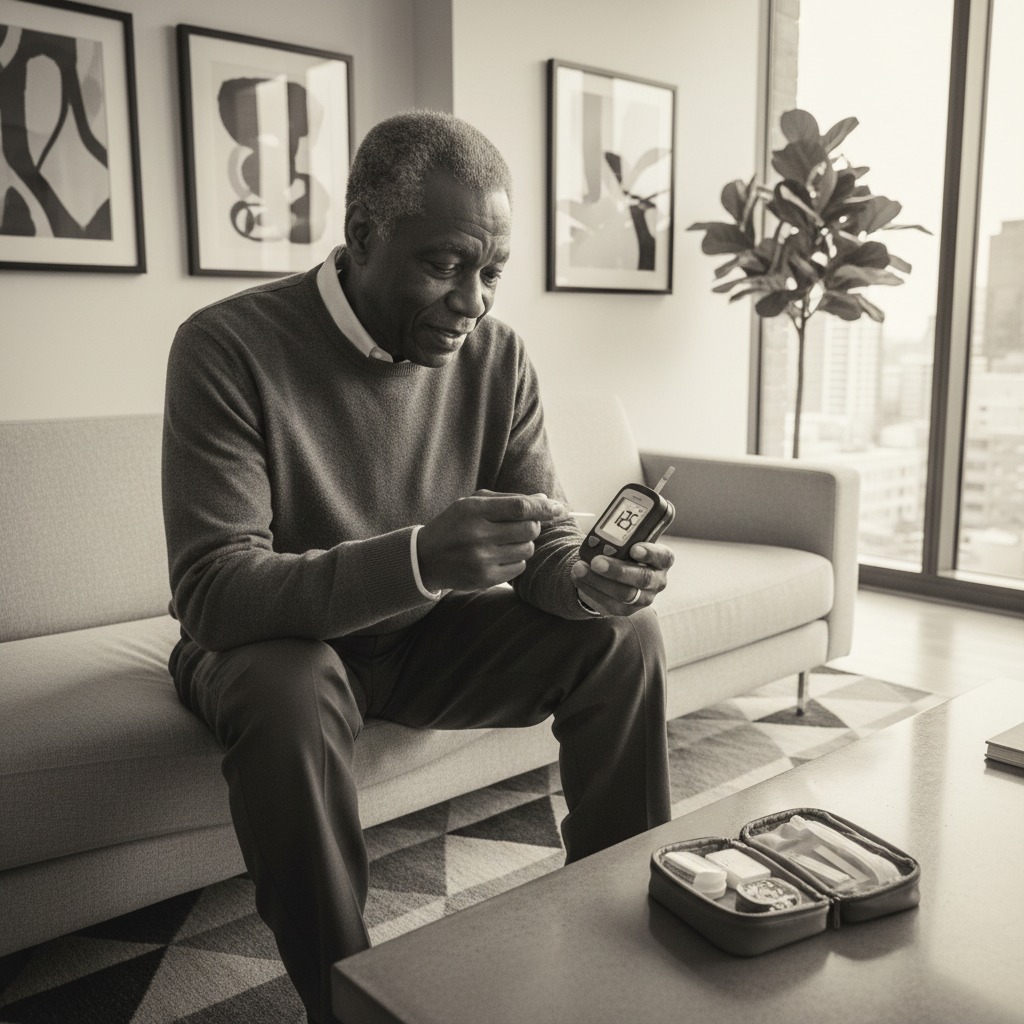
Patients with chronic conditions such as diabetes, hypertension, and heart disease benefit greatly from RPM. Wearable devices help track disease markers continuously, enabling personalized treatment adjustments and reducing hospital readmissions.
4. Cost-Effectiveness
By minimizing the need for frequent hospital visits and enabling early detection of potential health issues, RPM can significantly reduce healthcare costs for both providers and patients.
5. Expanded Access to Care
RPM via wearables is especially beneficial for patients in remote or underserved areas where access to healthcare facilities is limited. It bridges the gap by offering continuous medical supervision without geographical constraints.
Challenges and Considerations
While the advantages are compelling, several challenges must be addressed to maximize the potential of wearable devices in RPM:
- Data Privacy and Security: Protecting sensitive health information is paramount. Robust encryption and compliance with regulations like HIPAA are essential.
- Device Accuracy and Reliability: Ensuring that wearable devices provide accurate and consistent data is critical for clinical decision-making.
- Integration with Healthcare Systems: Seamless integration of data into electronic health records (EHRs) and workflows is necessary for effective use by healthcare providers.
- Patient Compliance: Patients must be willing and able to wear the devices consistently and correctly for optimal results.
The Future of Remote Patient Monitoring
As technology continues to evolve, wearable devices are becoming more sophisticated, comfortable, and capable of measuring a wider range of health parameters. The integration of artificial intelligence and machine learning will further enhance data analysis, enabling predictive insights and personalized care plans. Moreover, the COVID-19 pandemic has accelerated the adoption of telehealth and remote monitoring, underscoring the importance of RPM in maintaining continuity of care during challenging times.
Conclusion
Remote patient monitoring via wearable devices represents a paradigm shift in healthcare delivery, offering a proactive, patient-centered approach that improves outcomes, reduces costs, and expands access to care. As technology advances and adoption grows, RPM is poised to become an integral part of modern healthcare, empowering patients and providers alike to achieve better health together.
Stay tuned to our blog for more insights into the latest healthcare technologies and innovations.
Leave a Reply