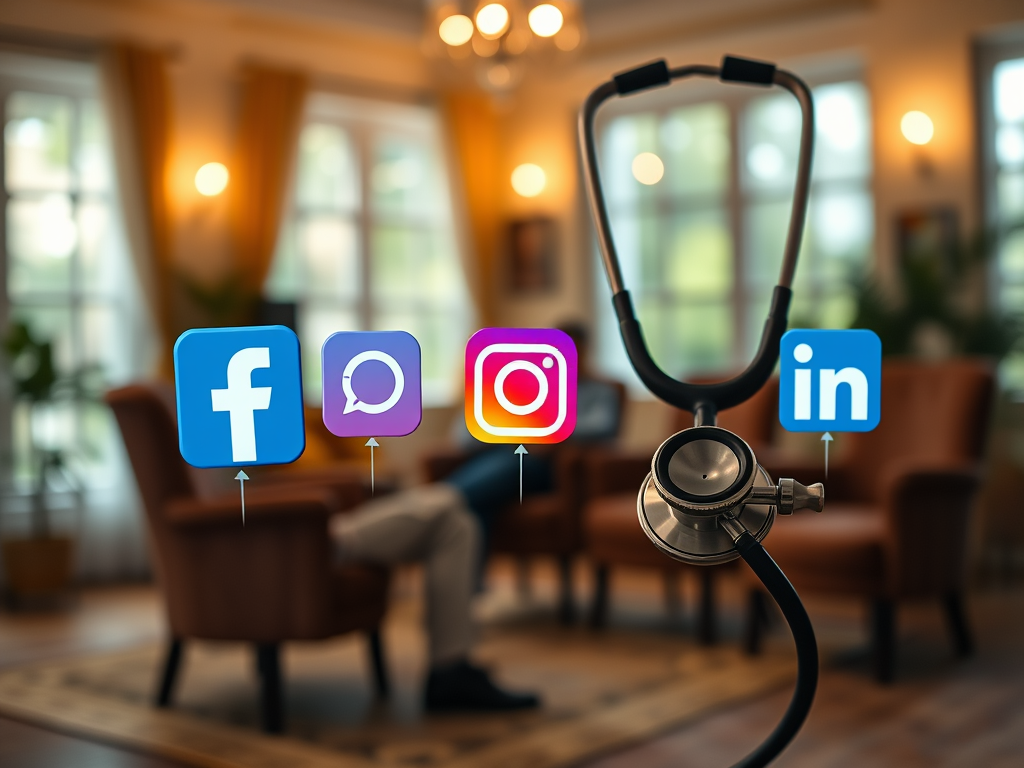
In recent years, social media has transformed many aspects of our daily lives, and healthcare is no exception. The integration of social media into modern healthcare has created new opportunities for patient engagement, education, and communication, ultimately contributing to better health outcomes and more efficient healthcare delivery.
“Social media transforms healthcare by connecting patients and providers, turning shared experiences into powerful tools for healing and awareness.”
Enhancing Patient Education and Awareness
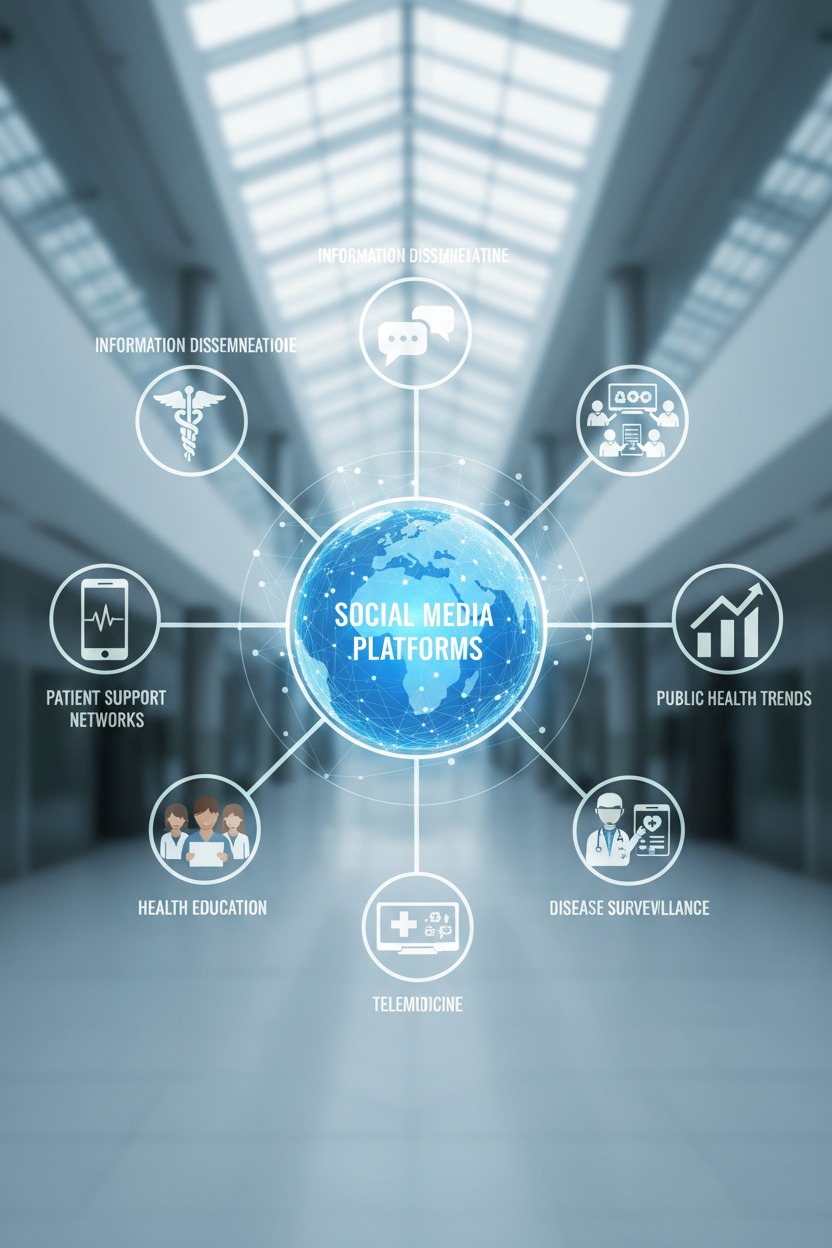
Social media platforms such as Facebook, Twitter, Instagram, and YouTube serve as powerful tools for disseminating health information quickly and widely. Healthcare organizations, professionals, and advocacy groups use these channels to share accurate, up-to-date information about diseases, treatments, prevention strategies, and wellness tips. This increased access to reliable information empowers patients to make informed decisions about their health and encourages proactive management of chronic conditions.
Facilitating Communication and Support
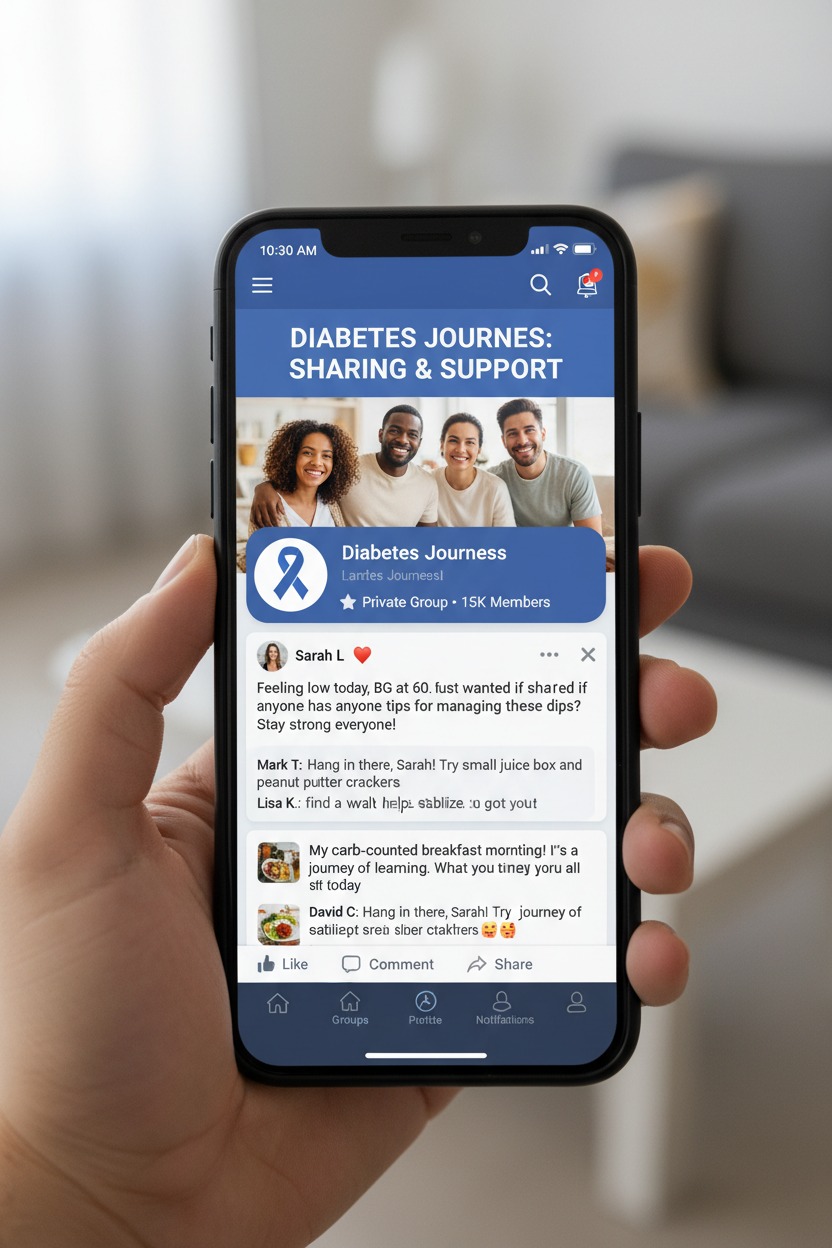
Social media fosters communication not only between patients and healthcare providers but also among patients themselves. Online support groups and communities provide a space for individuals facing similar health challenges to share experiences, offer emotional support, and exchange advice. This peer support can reduce feelings of isolation and improve mental well-being, which is especially important for those with rare or chronic illnesses.
Improving Healthcare Delivery and Professional Collaboration
Healthcare professionals use social media to collaborate, share research findings, and discuss clinical cases, which can enhance medical knowledge and improve patient care. Additionally, social media enables providers to gather patient feedback and monitor public health trends in real-time, allowing for more responsive and personalized care. Some healthcare organizations also use social media for appointment reminders, health campaigns, and crisis communication, improving overall operational efficiency.
Challenges and Considerations
Despite its benefits, the use of social media in healthcare comes with challenges, including privacy concerns, the spread of misinformation, and the need for maintaining professional boundaries. Healthcare providers must navigate these issues carefully, adhering to ethical guidelines and ensuring that patient confidentiality is preserved.
Conclusion
Social media has become an indispensable tool in modern healthcare, offering numerous advantages in patient education, support, communication, and professional collaboration. By leveraging these platforms responsibly, healthcare stakeholders can enhance patient outcomes and foster a more connected, informed healthcare community. As social media continues to evolve, its role in healthcare is likely to expand, presenting new possibilities and challenges that will shape the future of medicine.
Leave a Reply