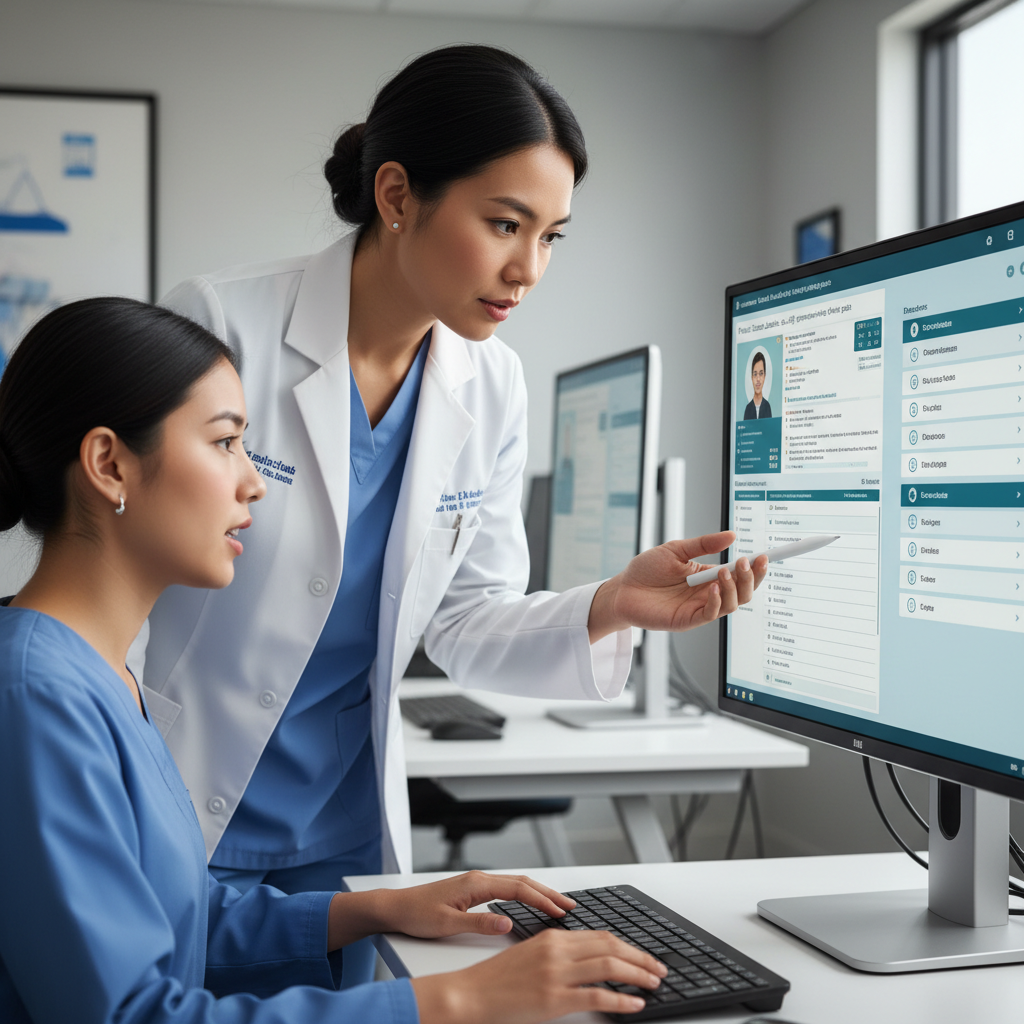
Hospital simulation training has become an essential component in modern healthcare education and professional development. By using advanced technology and realistic scenarios, simulation training offers numerous benefits that contribute to improved patient care and enhanced clinical skills. Here are the top benefits of hospital simulation training:
1. Enhances Clinical Skills and Competence
Simulation training provides healthcare professionals with hands-on experience in a controlled, risk-free environment. This allows them to practice procedures, refine techniques, and build confidence without the fear of harming real patients. Repeated practice through simulation leads to improved proficiency and competence.
2. Improves Patient Safety
By simulating complex medical scenarios, healthcare teams can identify potential errors and system vulnerabilities before they affect actual patients. Simulation helps in developing critical thinking and decision-making skills that reduce the likelihood of medical mistakes, ultimately enhancing patient safety.
3. Facilitates Teamwork and Communication
Effective communication and collaboration among healthcare team members are crucial for successful patient outcomes. Simulation exercises often involve multidisciplinary teams working together, helping to strengthen communication, coordination, and teamwork under pressure.
4. Facilitates Teamwork and Communication
Effective communication and collaboration among healthcare team members are crucial for successful patient outcomes. Simulation exercises often involve multidisciplinary teams working together, helping to strengthen communication, coordination, and teamwork under pressure.
5. Supports Continuing Education and Skill Maintenance
Healthcare is a constantly evolving field, and simulation training offers a platform for ongoing education. Professionals can stay updated on the latest protocols and technologies, ensuring their skills remain sharp and current.
6. Encourages Reflective Practice and Feedback
Simulation sessions are often followed by debriefings where participants receive constructive feedback. This reflective practice helps learners understand their strengths and areas for improvement, fostering continuous professional growth.
7. Reduces Training Costs and Resource Utilization
While simulation technology can be an initial investment, it reduces the need for training on live patients and minimizes the risk of costly errors. It also allows for efficient use of resources by enabling multiple learners to practice simultaneously.
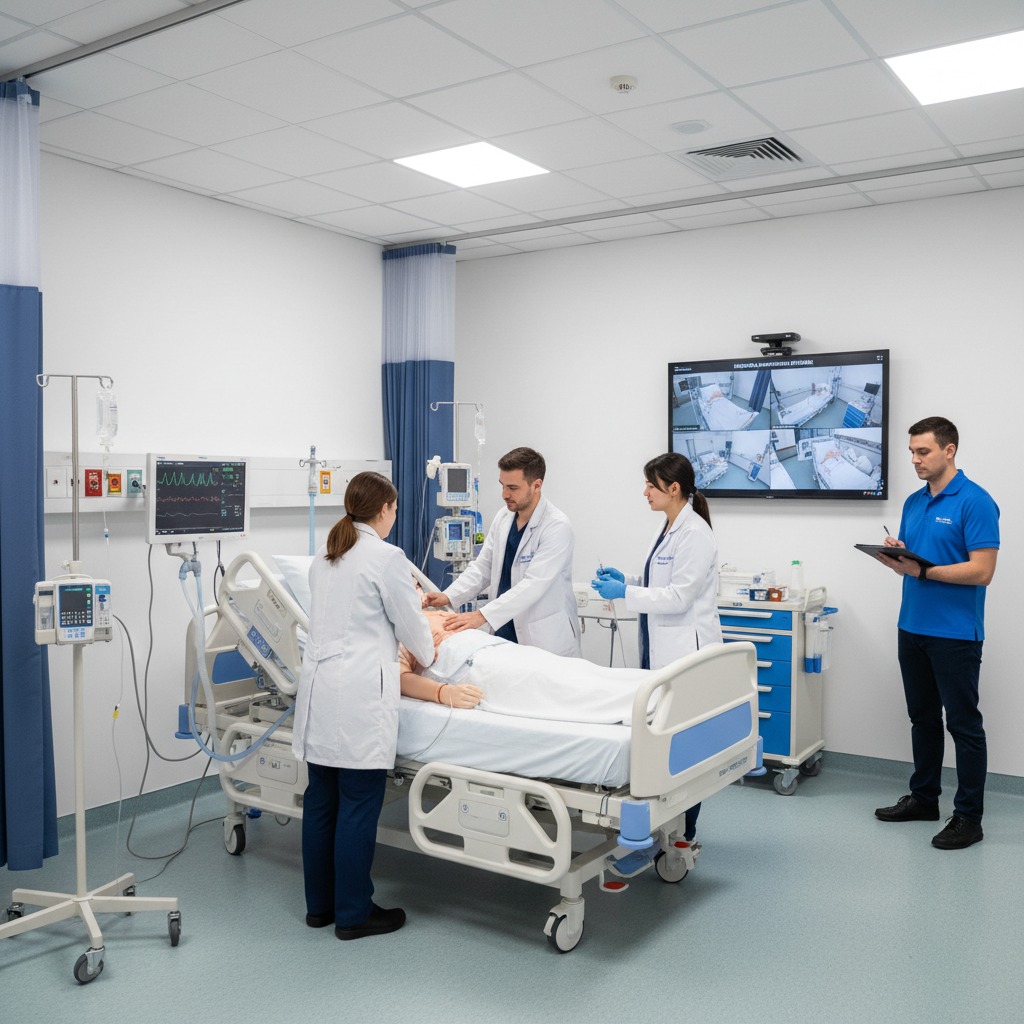

In conclusion, hospital simulation training is a powerful tool that enhances clinical skills, promotes patient safety, and fosters effective teamwork. Integrating simulation into healthcare education and professional development ensures that medical professionals are well-prepared to deliver high-quality care in any situation.
Leave a Reply