

Technology is quickly changing many parts of our lives, including healthcare. Digital healthcare, also called e-health or telemedicine, uses digital tools to improve how healthcare is given, how easy it is to access, and how well it works. This change is changing how patients connect with doctors, take care of their health, and get medical treatment.
“Digital healthcare empowers us to take control of our well-being, bridging the gap between technology and compassionate care for a healthier future.”
One of the most significant benefits of digital healthcare is improved accessibility. Telemedicine platforms allow patients, especially those in remote or underserved areas, to consult with healthcare professionals without the need to travel long distances. This not only saves time and money but also ensures timely medical advice and intervention.
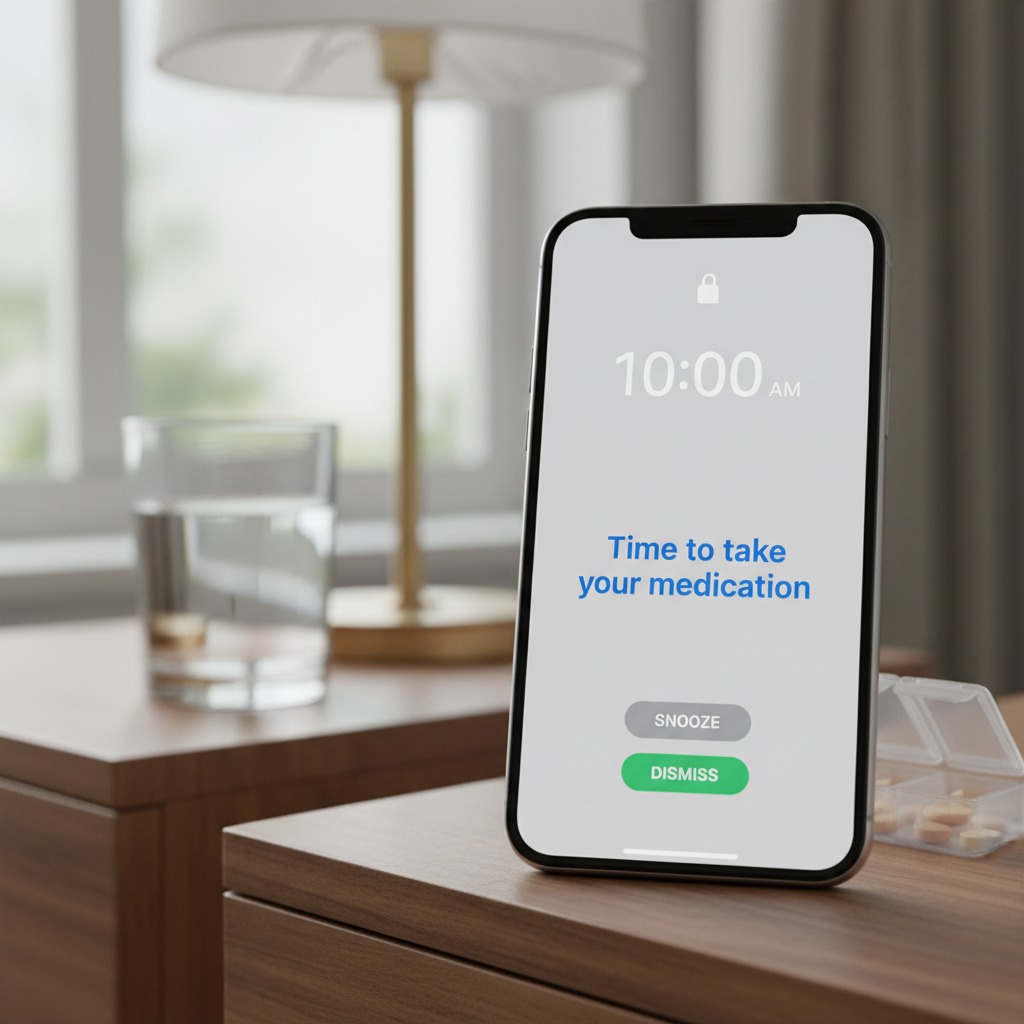
Digital healthcare also empowers patients by providing them with tools to monitor and manage their health. Wearable devices, mobile health apps, and remote monitoring systems enable individuals to track vital signs, medication adherence, and lifestyle habits. This real-time data collection supports proactive health management and can alert both patients and providers to potential health issues before they become critical.

Moreover, digital healthcare enhances the efficiency of medical services. Electronic health records (EHRs) streamline the documentation and sharing of patient information among healthcare providers, reducing errors and improving coordinated care. Artificial intelligence (AI) and machine learning are increasingly being integrated to assist in diagnostics, personalized treatment plans, and predicting patient outcomes.
Despite its many advantages, digital healthcare also presents challenges such as data privacy concerns, the digital divide, and the need for regulatory frameworks to ensure safety and efficacy. Addressing these issues is crucial for the sustainable growth of digital health solutions.
In conclusion, digital healthcare is changing medicine by making care easier to access, more personal, and faster. As technology grows, it can help patients get better results and build a more connected healthcare system. Using these new tools will be important to meet future healthcare needs.
Leave a Reply